By Max Wall · Updated
Start with the style of the house
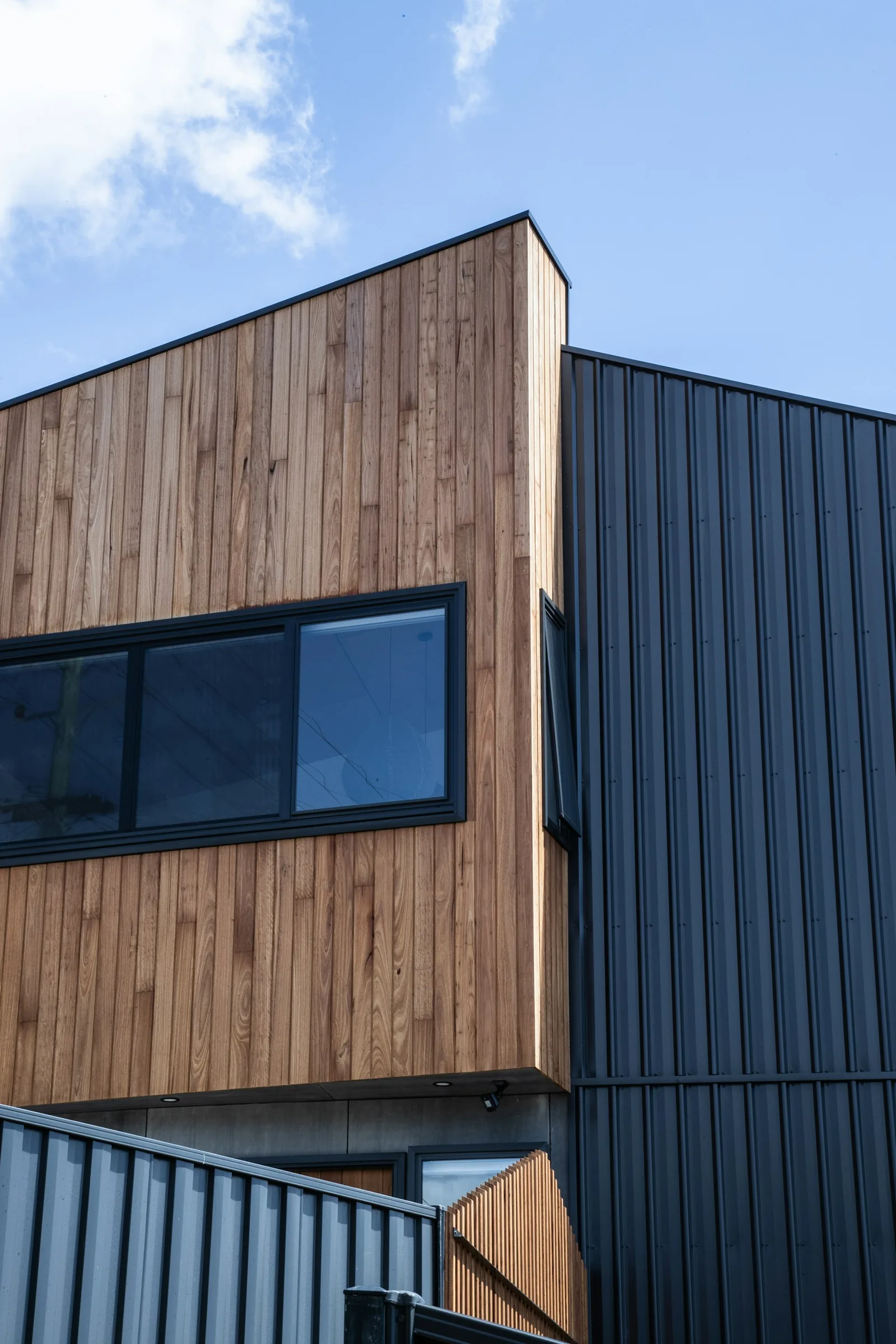
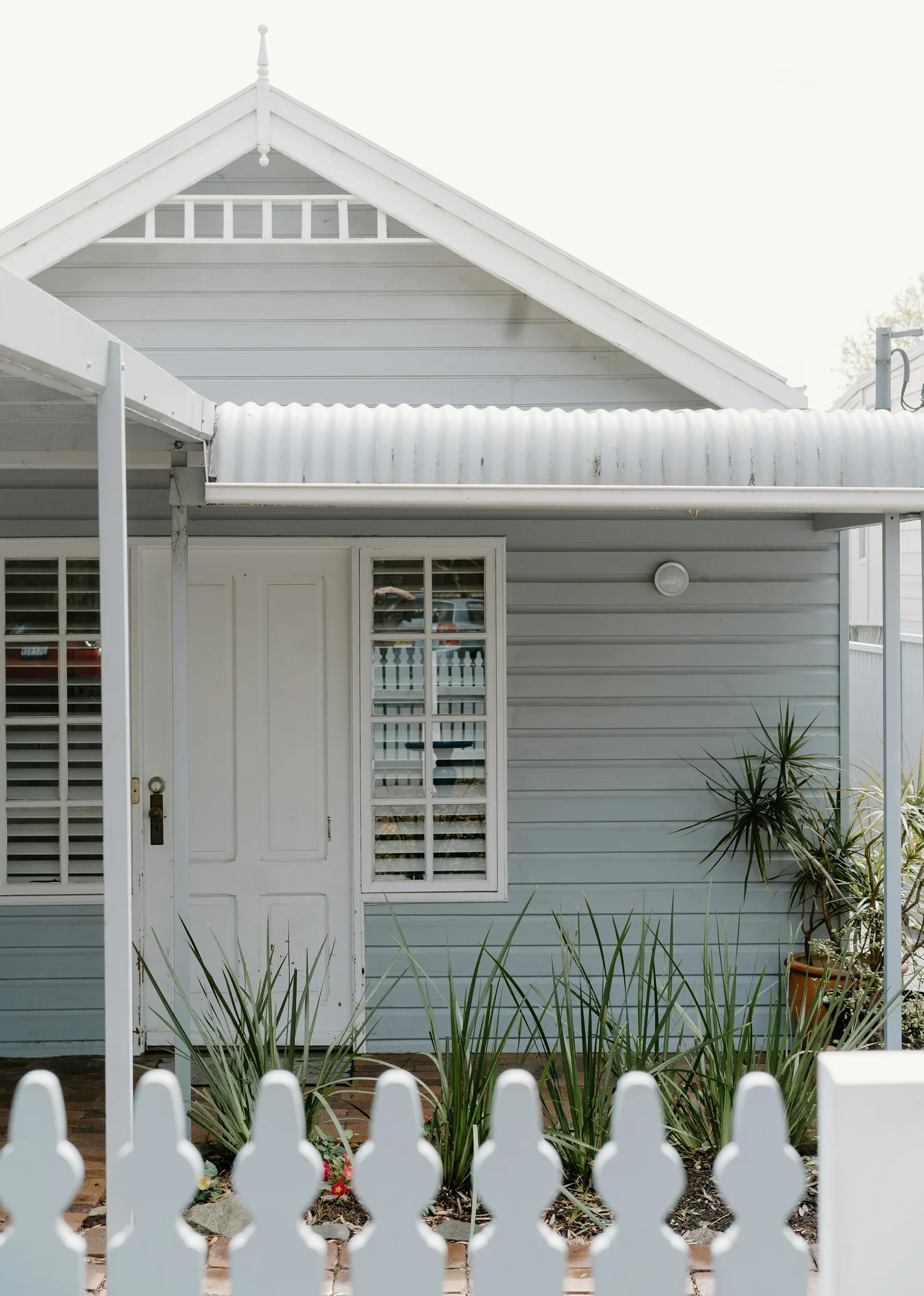
Linea™ weatherboards suit classic, coastal and Hamptons homes, with deep shadow lines that read like timber. Axon™ gives vertical grooves for a modern, linear look, while Stria™ and Oblique™ run horizontally with bolder grooves and shadows.
If you want the look of render or concrete on a lightweight wall, Hardie™ Fine Texture and Brushed Concrete panels are pre-textured, and Matrix™ gives an architectural grid with express joints. Many homes combine two profiles, such as weatherboards on the upper storey over a textured base.
The main profiles compared
James Hardie describes Linea™ as a 16mm thick, pre-primed weatherboard, made in 150mm and 180mm widths. The thickness gives a deeper shadow line than a thin board, which is why it's often chosen to replace timber weatherboards on older homes without losing their character.
Axon™ is a vertically grooved panel with a shiplap joint. James Hardie offers it in smooth and grained finishes, with grooves at 133mm or 400mm spacing: the narrow spacing reads like a classic board-and-batten wall, the wide spacing like a cleaner, more minimal panel.
Oblique™ and Stria™ are both 14mm horizontal boards, according to James Hardie. Oblique comes in 200mm and 300mm widths with angled groove edges that throw shifting shadows through the day. Stria has deep, crisp grooves and comes smooth or with a fine render texture, which suits contemporary homes with long, low facades.
Matrix™ is a panel system with a 10mm express joint, which James Hardie designs for cavity construction. It suits grid layouts on modern homes, but the joint layout has to be planned around windows and doors from the start, so it rewards careful set-out.
Think about how light falls on the wall
Groove spacing and depth change how a facade looks through the day. Wide boards and deep grooves create strong shadow lines, while fine spacing reads as a subtle texture. Look at installed examples in similar light, not just a brochure, and order a sample if you can.
Colour matters too. Darker colours emphasise shadow lines, while lighter colours soften them. Adelaide's strong summer light flattens colours that looked rich indoors, so we recommend painting a sample board and looking at it outdoors, at different times of day, before the final choice.
Mixing profiles and materials
Most good facades use no more than two or three materials. A common approach is to keep the main wall in one profile and use a second for a feature: Axon on an entry or gable over brick, Linea on an upper storey over a Hardie™ Gravis™ AAC base, or Stria running beside a large window.
Where two materials meet, the junction needs a clean trim or a deliberate change in plane so it looks intentional rather than patched. Lining up joints and changes in material with windows, floor levels and rooflines makes a big difference to the finished look. We sketch these junctions out at the measure so you know how they'll be handled.
Check site requirements
If your home is in a bushfire-prone area, confirm the Bushfire Attack Level. James Hardie lists most of its cladding to BAL-40 and Matrix™ to BAL-29. Boundary walls, heritage overlays and estate design guidelines can also limit your choices.
Homes near the coast are another case. James Hardie sets specific requirements for fixings and accessories close to the sea, so a beachside facade in Henley Beach or Glenelg may be detailed differently from the same profile in Salisbury.
We confirm the product, fixing method and detailing for your site before quoting, so there are no surprises at inspection.
What sits behind the cladding
The boards are only the visible layer. Behind them, James Hardie's installation guides call for the right wall wrap, flashings around openings, and battens or a cavity where the system requires one. These details manage water that gets behind the cladding and let the wall dry out, and they're a condition of a sound, warrantable installation.
If the wall is open, for example during a re-clad or on a new build, it's also the best time to add insulation. CSR Bradford wall batts and a Bradford wall wrap can go in before the cladding goes on, which is far easier than trying to insulate the wall later.
Paint and maintenance
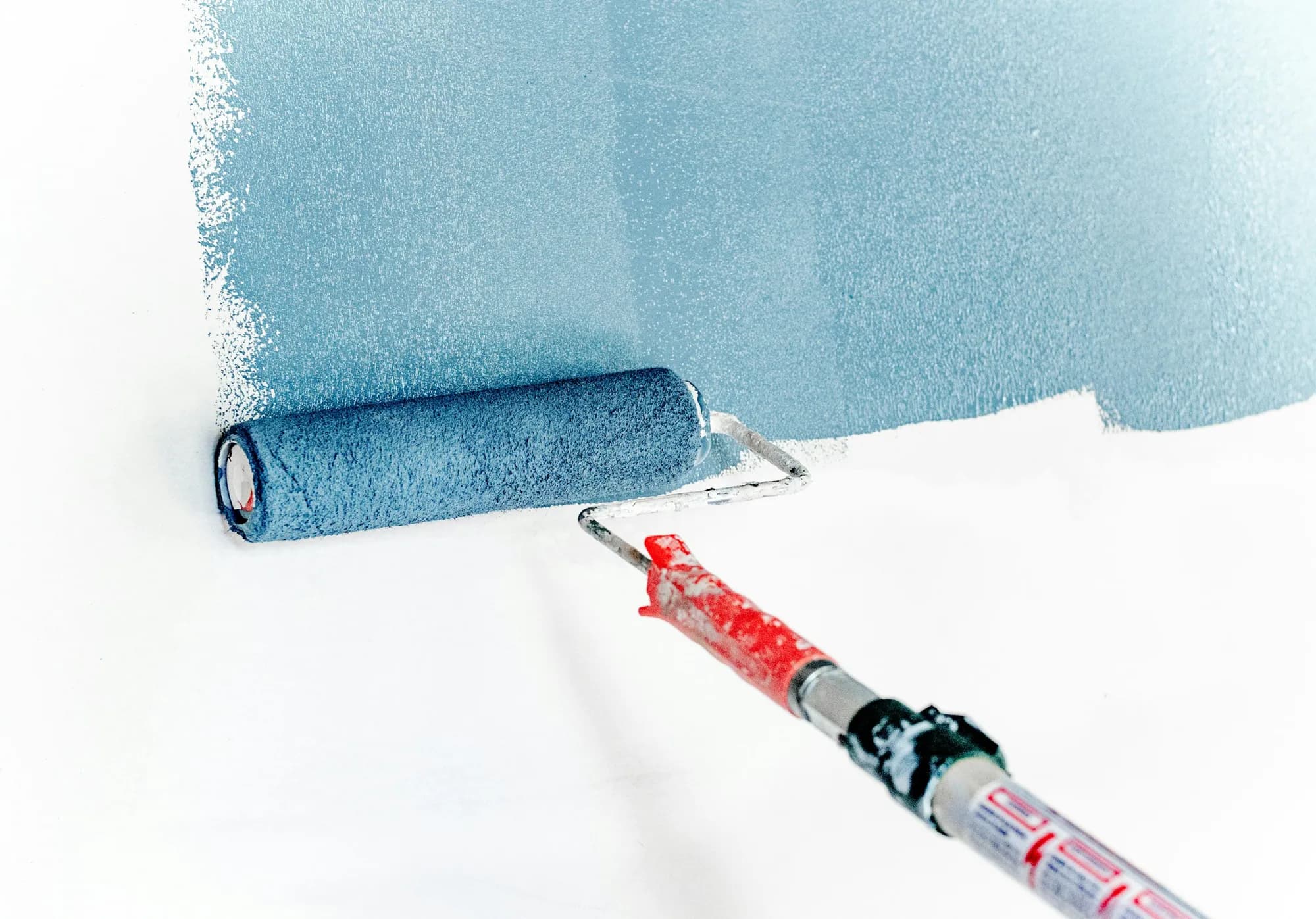
Most James Hardie boards and panels arrive pre-primed and need a quality exterior paint system to finish them. Choose the paint system with the same care as the board: the paint manufacturer's specification, the number of coats and the preparation all affect how long the finish lasts.
James Hardie offers a product warranty on most of its cladding, commonly 25 years, and its terms depend on correct installation and ongoing maintenance. In practice that means washing the walls occasionally, keeping gardens and soil clear of the base of the cladding, checking sealants and repainting when the paint system calls for it.
Budget for the whole system
The board is only part of the price. Wall wrap, battens, trims, flashings, corners and painting all affect the cost and the finished look. Ask for a quote that lists each one so you can compare like for like. Our guide to what affects the cost of cladding in Adelaide goes through each of these in more detail.
Questions to ask before you choose
Which profile suits the style of my home and the way the light hits each wall? Is the product rated for my site's bushfire and coastal conditions? Does the quote include wrap, battens, trims, flashings and paint, or only the boards? How will the cladding meet the windows, roofline and any brick or render?
Bring these questions to the on-site measure. We'll bring samples, talk through the options for each wall and put the agreed profile, detailing and finish in a written quote.