By Max Wall · Updated
Share clear photos and the location
Photograph each wall, room or area you want included, plus any damage. Wider shots that show windows, doors and access help us plan. Tell us your suburb so we can book the site visit.
Rough dimensions are helpful but not essential. We measure on site before preparing the final written price. Please don't climb into roof spaces or onto roofs just to take photos.
Describe the result you want
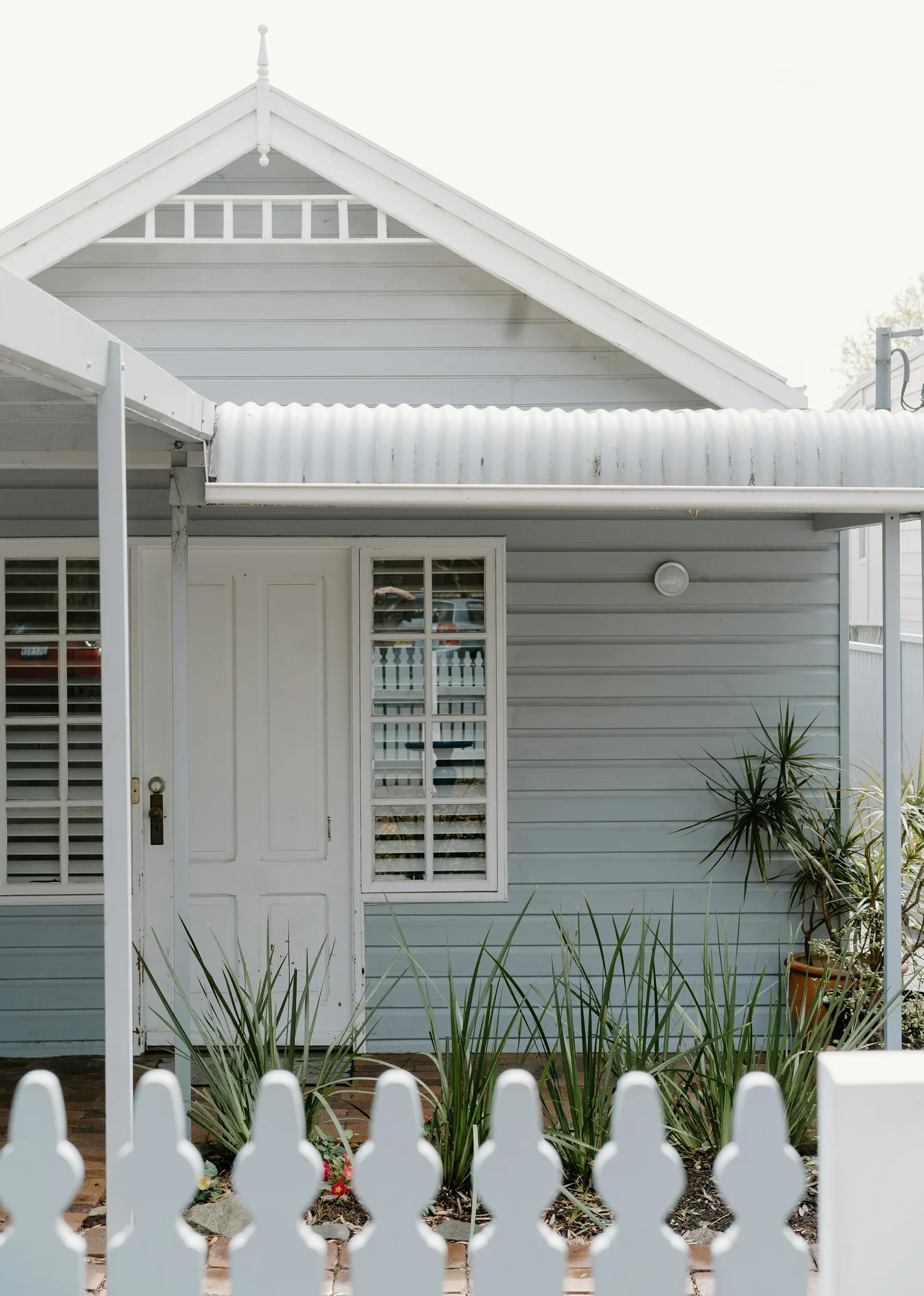
Are you updating a facade, building new, insulating an existing home or renovating a bathroom? Photos of finishes you like help, and we can discuss which products suit your home.
If you have drawings, an energy report or a specified product, share them early so the quote matches what's required.
Narrow down products and finishes
You don't need to choose every product before the quote, but a short list helps. For cladding, that might be two or three James Hardie profiles you like the look of. For insulation, it's which rooms feel too hot, too cold or too noisy. For microcement, it's a colour family and whether you prefer a smooth or more textured finish.
We bring samples to the measure and explain how each option suits your home, your site and your budget, so the final choice is made with the real walls in front of you.
Check approvals early
Some projects need approval before work starts. Changes to the look of a heritage-listed home or a home in a historic or character area, new extensions, and work on bushfire-prone sites can all involve council or a building certifier. Newer estates may also have design guidelines that control materials and colours on the street frontage.
If you live in a strata or community-titled property, the corporation may need to approve changes to external walls. Checking these early avoids redesigning later. We're happy to supply product information to support an application.
Set a realistic budget
Decide what you'd like to spend and tell us. It helps us recommend options that fit, such as cladding the front and a feature section rather than the whole house, or insulating the ceiling now and the walls when you re-clad.
It's also wise to keep a contingency for things that can't be seen until work starts, like damaged framing behind old cladding or failed waterproofing under tiles. Our guide to what affects the cost of cladding in Adelaide explains the main price drivers.
Think about access and protection
Point out narrow side paths, gardens, parked vehicles and areas that need to stay accessible. Let us know about children, pets and working-from-home needs so the job can be planned around you.
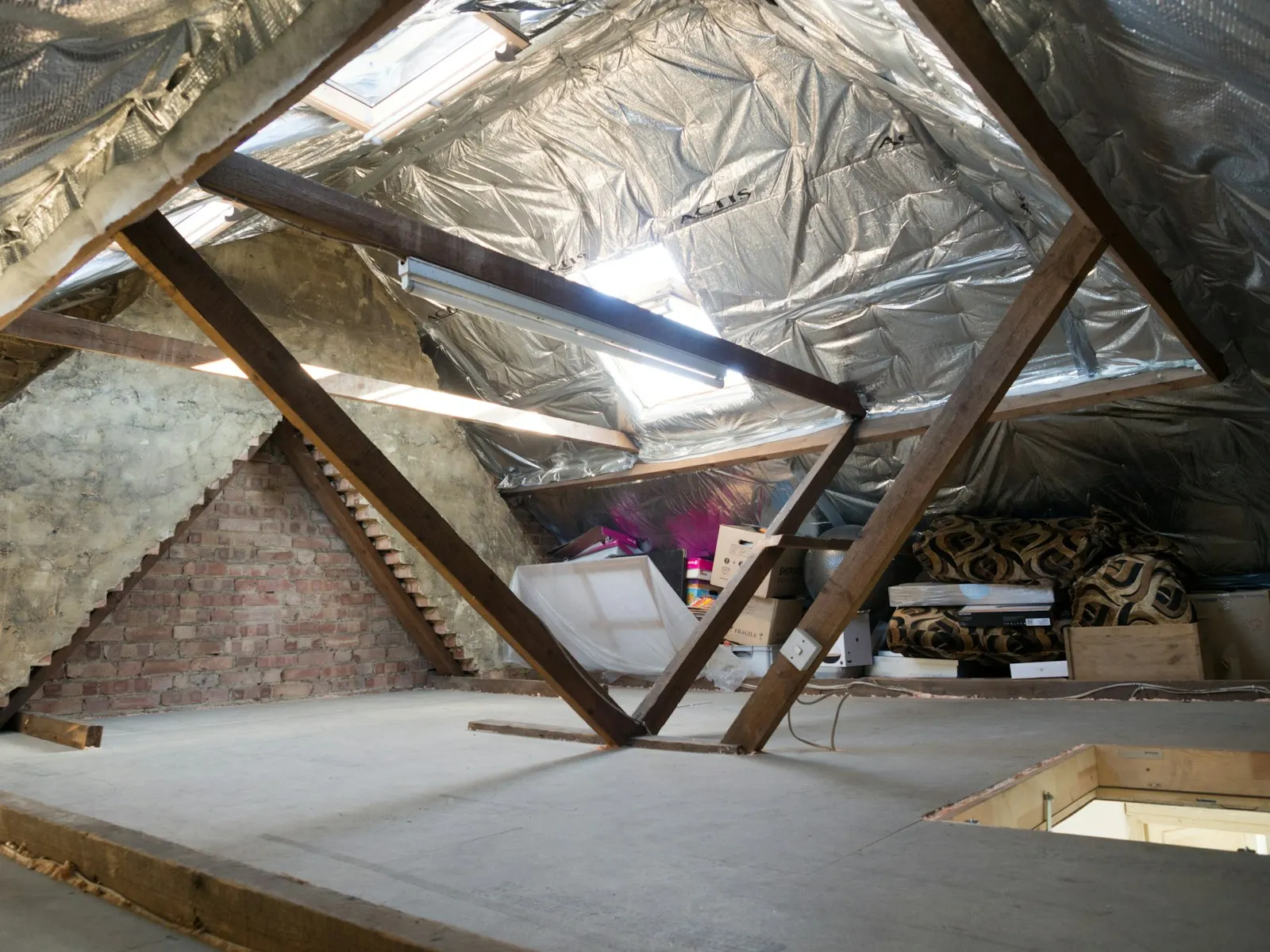
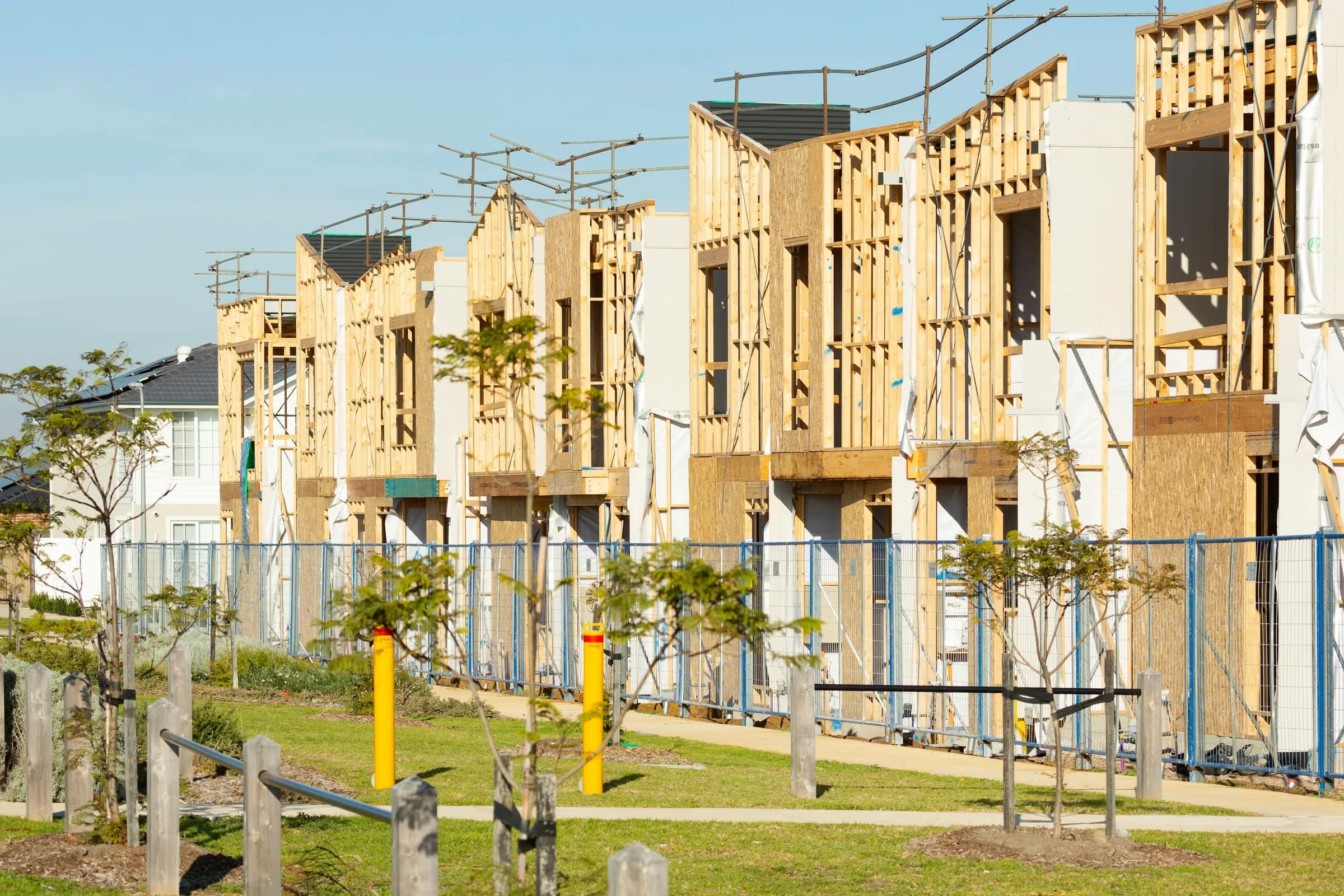
Upper-storey cladding may need scaffolding, and insulation work needs safe roof-space or subfloor access. These details affect scope and price.
Agree on scope and timing
Ask which areas and stages the price covers, which products are specified and what happens if hidden damage is found. A clear written scope makes it easier to compare quotes.
Exterior work depends on weather, and microcement needs drying time between coats. We confirm the plan and timeline before work starts.
Comparing quotes
Quotes for the same job can look very different. Check that each one covers the same products, the same areas and the same extras: wall wrap, insulation, trims, flashings, scaffolding, removal and disposal, painting and clean-up. A lower price sometimes means something has been left out.
Also compare how each contractor will install the product. Ask whether they follow the manufacturer's published installation guide, because product warranties usually depend on it.
Living at home during the work
Most people stay at home while we work. Exterior cladding and painting mostly happen outside, though there will be noise from cutting and fixing during the day. Ceiling insulation means some time in the roof space and through the manhole, and microcement means the bathroom or room being worked on is out of use for several days.
If you only have one bathroom, plan for that period before we start. We'll tell you which days are noisiest and which rooms need to stay clear, so you can arrange work, school runs and pets around them.
Getting ready for the start date
A few days before we start, clear furniture, pot plants and outdoor items away from the walls we're working on, and move cars if the driveway is needed for materials or scaffolding. For indoor work, empty the bathroom or room and tell us where we can safely set up.
Let neighbours know if scaffolding or deliveries will be close to the boundary. It's a small courtesy that makes the job smoother for everyone.
At handover
When the job is finished we walk through it with you, clean up and explain how to look after the new work, whether that's washing cladding, cleaning microcement or keeping clearances around insulation. Keep your quote, invoice and any product information together, as manufacturers' warranties may ask for them.