By Max Wall · Updated
Why insulation matters in Adelaide
Adelaide has long, hot, dry summers and cool winters, with plenty of nights in between when the temperature drops sharply. A poorly insulated home soaks up heat during a run of hot days and loses it quickly on a winter night, so the air conditioner and heater work harder than they need to.
Insulation slows the flow of heat through the roof, walls and floor. It doesn't heat or cool the house by itself, but it helps the home hold onto the temperature you want for longer, which makes rooms more comfortable and can reduce how often heating and cooling need to run.
Understanding R-values
Insulation is rated by its R-value, a measure of how well it resists heat flow. The higher the number, the better it resists heat. CSR Bradford, like other manufacturers, publishes the R-value of each product, and batts are made in different thicknesses to reach different ratings.
The rating only holds if the product is installed properly. Insulation manufacturers, including CSR Bradford, advise against squashing batts into spaces that are too small for them, because compressed insulation doesn't perform to its rated value. Gaps between batts also let heat bypass them, which is why careful, continuous coverage matters as much as the number on the pack.
Start with the ceiling
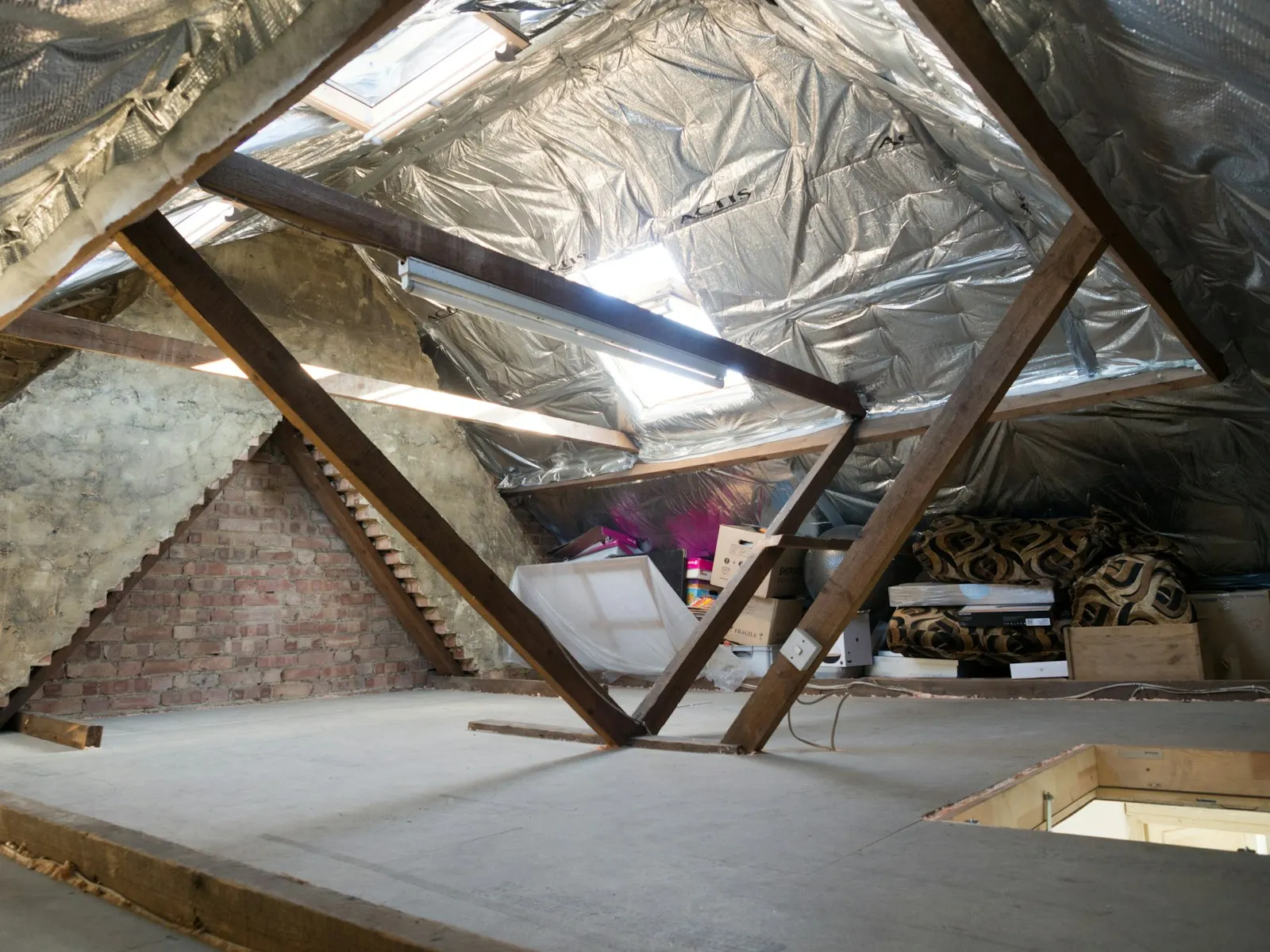
In most homes the roof is the biggest source of summer heat gain and winter heat loss, so ceiling insulation usually gives the best return. If your roof space has little insulation, or old batts that are compressed or patchy, a top-up or replacement is a good first step.
Bradford ceiling batts come in a range of R-values, including Bradford Gold and Polymax, plus Gold Perimeter Batts for the low edges near the eaves where full-height batts won't fit. Higher R-values resist heat flow better, but the right choice depends on your roof, ceiling space and budget. We recommend a value for each area during the inspection.
Walls are easiest during renovations
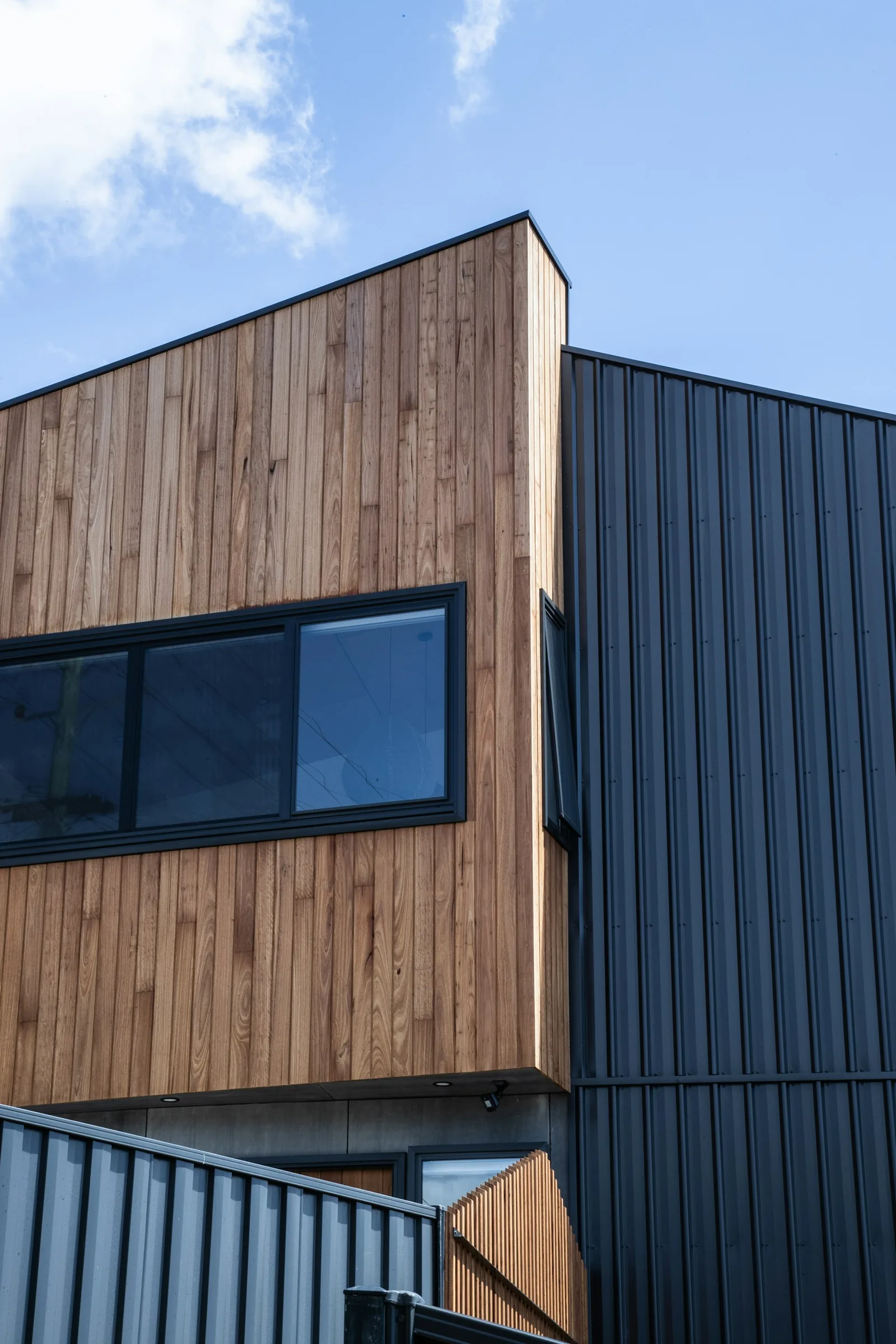
External walls are hard to insulate once the linings and cladding are on. If you're re-cladding, extending or building new, it's the ideal time to fit wall batts like Bradford Gold Wall Batts together with a new wall wrap.
A wall wrap such as Bradford Enviroseal sits behind the cladding to manage moisture and air leakage, helping the insulation perform as intended.
Don't forget noise and floors
Acoustic batts like Bradford SoundScreen in internal walls and between floors reduce noise between bedrooms, bathrooms and living areas. They're well worth it in two-storey homes and home offices.
Homes with raised timber floors can lose a lot of warmth through the subfloor. Underfloor batts or rolls, such as Bradford Optimo or Polymax underfloor, stop cold air coming up and make floors more comfortable underfoot in winter. This is common in older villas and in hills homes, where cold air moves freely under the house.
Wraps, sarking and roof blankets
Insulation works best as part of a sealed building envelope. Wall wraps like Bradford Enviroseal and Thermoseal sit behind cladding to manage moisture and air leakage. Roof sarking does a similar job under roof tiles or sheeting, and is usually installed when a roof is new or being replaced.
Under metal roofing, CSR describes its Bradford Anticon roof blanket as reducing heat, condensation and rain noise. It has to go in when the roof sheets are laid, so it's worth raising early if you're re-roofing or building.
Glasswool or polyester?
Bradford makes both glasswool products, such as the Gold range, and polyester products, such as Polymax. Each is sold to a stated R-value, so the choice usually comes down to the space, the R-value you need and personal preference for handling and feel.
We'll explain the options for each part of the house and why we recommend one over another, rather than using the same product everywhere.
Safety and compliance
Insulation must keep required clearances from downlights, flues and other heat sources, and roof spaces can be hot and hazardous. Have it installed by someone who checks these details. New homes must also meet the National Construction Code energy requirements in their approved plans.
If we find old wiring, damaged fittings or downlights that aren't suitable to be near insulation, we'll point them out so a licensed electrician can deal with them before the insulation goes in. Please don't crawl into the roof space yourself to measure up; we'll do the inspection at the quote.
What to ask before you insulate
Which areas will make the biggest difference in my home? What R-value do you recommend for each, and why? Will the old insulation be topped up or removed? How will clearances around downlights and flues be handled? Will I get a record of the products and R-values installed?
We answer all of these in writing with your quote, and leave you a record of what was installed when the job is done.