By Max Wall · Updated
What microcement is
Dulux AcraStone is a thin, multi-coat system: primer, base coats, finish coats and a sealer, with the build-up depending on the surface beneath. The result is a continuous surface on walls and floors without grout lines.
It comes in fine and medium finish textures, or a tinted base coat for a coarser, stone-like look, across a curated colour range.
Where it works
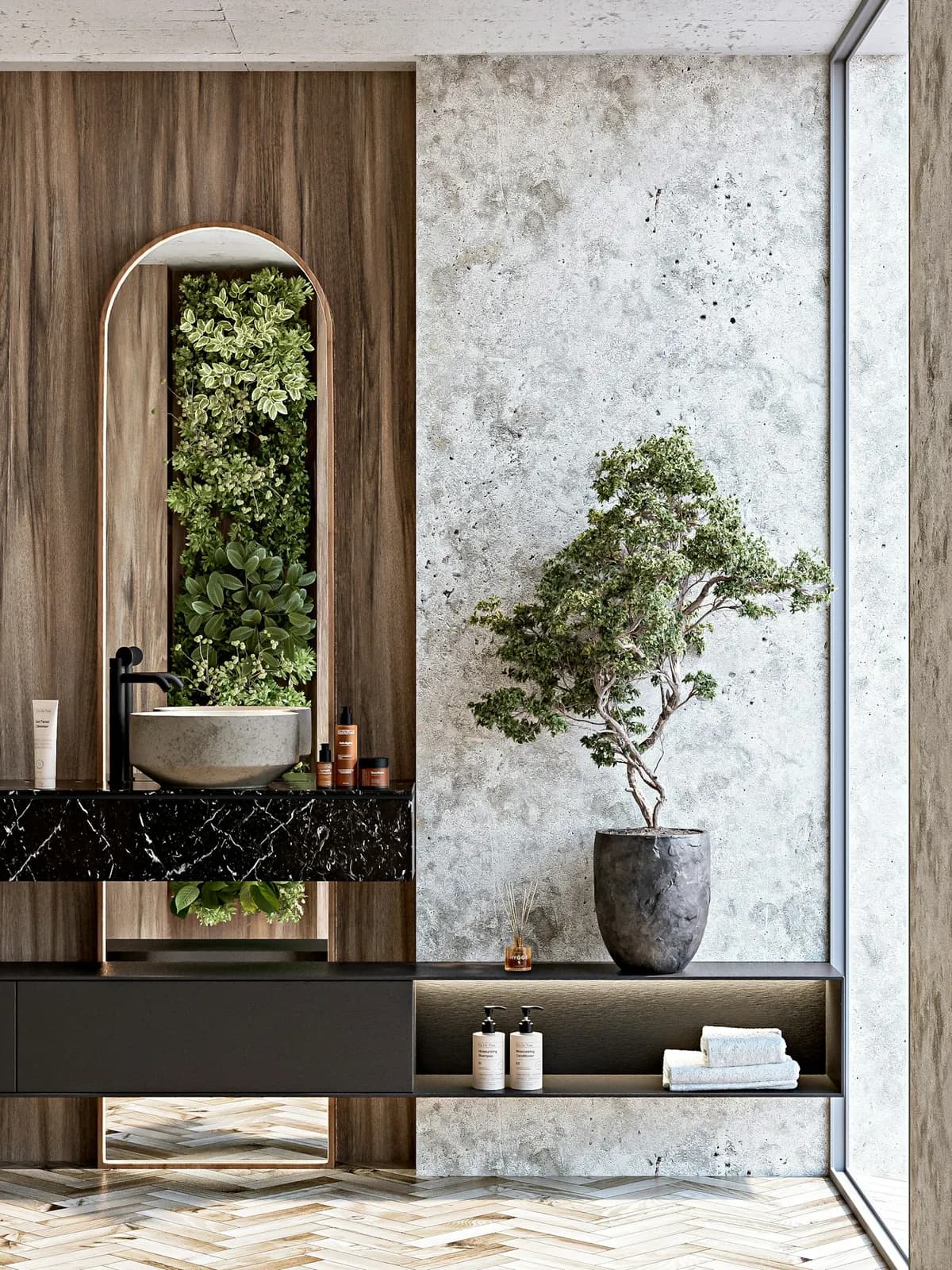
Dulux recommends AcraStone for interior walls and floors, including wet areas such as showers, bathrooms and laundries. Because it's continuous, it can wrap from the floor up the walls and into a shower recess without a break, which is a big part of its appeal in small bathrooms.
Beyond bathrooms, it suits kitchen floors and feature walls, and continuous floors running through living areas. It can be applied over a range of suitably prepared substrates, including plasterboard, concrete, masonry and well-adhered tiles.
Can it go over my tiles?
Often, yes. AcraStone can be applied over suitably prepared existing surfaces, including well-adhered glazed tiles, so they don't need to be removed. That means less noise, dust and waste, and a quicker renovation.
Tiles must be sound. Loose or drummy tiles, cracked substrates or water damage need to be fixed first. We tap-test the tiles, look for cracks and movement, and check for signs of leaks before quoting.
Waterproofing still matters
AcraStone is water resistant and suited to wet areas, but it isn't a replacement for a compliant waterproofing membrane beneath. If your existing bathroom has failed waterproofing, that needs to be addressed first.
In Australia, waterproofing of domestic wet areas is covered by the National Construction Code and the AS 3740 standard. Signs of failed waterproofing include stained or swollen skirting outside the bathroom, damp walls on the other side of the shower and loose tiles near the floor. If we see any of these, we'll tell you before going further.
Choosing a colour and finish
The AcraStone range runs from warm whites to greys and darker tones. Because it's a hand-applied, mineral finish, the colour has natural movement and will look different under your bathroom lights than on a sample card, so view a physical sample in the room before deciding.
Texture changes the feel as well as the look. The fine finish is smooth and subtle, the medium finish has more visible movement, and a tinted base coat gives a rawer, stone-like surface. For floors, especially in wet areas, ask about slip resistance: the finish and the sealer both affect how the floor feels underfoot when wet.
What to expect during the work
The job starts with protection and preparation: covering fixtures, repairing any defects, cleaning the tiles and applying the primer that suits the surface. Base coats then build up the surface, followed by finish coats and the sealer.
Each coat needs time to dry before the next goes on, so a microcement bathroom typically takes several days rather than one. The room is out of action while the work is underway, and the sealer needs time to cure before the shower is used. We give you the timeline and the date you can use the bathroom again before we start.
Microcement or new tiles?
Microcement suits people who want a seamless look, no grout lines to scrub and a renovation without demolition. New tiles may be the better choice if the existing tiles are failing, the layout is changing, or you want a specific tile pattern.
Either way, the first step is the same: an honest look at what's on the walls and floor now. We'll tell you if the existing surfaces are suitable for AcraStone, and if they're not, why.
What affects the price
Microcement is priced on the area being covered and the work needed to get the surfaces ready. A small powder room is very different from a bathroom with a large shower, a bath hob, niches and a floor running into the hallway.
Preparation is the biggest variable. Re-fixing drummy tiles, repairing cracks, filling chips and dealing with any waterproofing problems all happen before the first coat. The finish you choose, the number of internal corners and edges, and details such as shower niches and window reveals also affect the time involved. We list all of this in the quote so you can see where the cost sits.
Living with microcement
Clean with mild, pH-neutral products and avoid harsh abrasives that can damage the sealer. We'll explain the care routine at handover. Because it's a hand-applied finish, expect natural tonal variation: that's part of the look.
Dulux states AcraStone is a professional system that isn't recommended for DIY. Each coat needs to be applied and cured correctly for the finish to perform.
Questions to ask before you start
Are my tiles and substrate suitable? What happens if drummy tiles or water damage turn up? Is my existing waterproofing sound? Which finish and colour suit the room, and how slip-resistant will the floor be? How many days will the bathroom be unusable? How should I clean it afterwards?
We answer these at the on-site check, and put the preparation, finish, sealer and timeline in a written quote before any work starts.